Understanding the psychology behind gambling behaviors in casinos
The Allure of Risk and Reward
The psychology behind gambling behaviors largely hinges on the allure of risk and reward. When individuals engage in gambling, they are often drawn in by the thrill of potentially winning large sums of money. This excitement can trigger a dopamine release, which is the brain’s pleasure chemical. Consequently, the anticipation of winning can become addictive, leading players to take risks they might otherwise avoid in everyday life. This phenomenon explains why many people are willing to wager large amounts of money in hopes of striking it rich, despite the odds often being stacked against them. One such platform where players can explore their gambling interests is Spin Boss Casino Canada, which offers a diverse range of games.
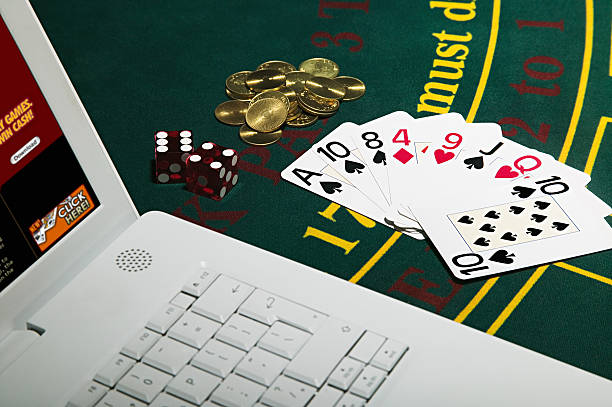
Furthermore, casinos are designed to heighten this sense of excitement. Elements such as bright lights, stimulating sounds, and the atmosphere of celebration can create an immersive experience. The combination of sensory stimulation and the chance to win can evoke powerful emotional responses. Players may find themselves caught in a cycle of chasing losses, where the desire to regain lost funds drives them to gamble even more. This behavior can perpetuate a cycle of risk-taking that is difficult to break free from.
The concept of loss aversion also plays a vital role in gambling psychology. Research suggests that losing money feels more significant than the joy associated with winning the same amount. As a result, gamblers may continue to play in an effort to recover their losses, further entrenching them in a pattern of gambling behavior. Understanding these psychological triggers can help inform strategies for responsible gambling, allowing players to recognize when their behavior may be leading toward negative consequences.
The Role of Cognitive Biases
Cognitive biases significantly influence gambling behaviors, as they can distort a player’s perception of risk and reward. One prevalent bias is the “gambler’s fallacy,” which is the belief that past outcomes affect future results. For example, a player might believe that if a specific slot machine hasn’t paid out in a while, it is “due” for a win. This flawed reasoning can lead to players making illogical bets based on previous results, often ignoring the fact that each spin is independent of the last.
Another common bias is overconfidence, where individuals overestimate their chances of winning. This inflated self-perception can lead to reckless betting behavior, where players gamble more than they can afford. For instance, a player who has experienced a few wins might begin to believe they possess a unique skill or strategy, prompting them to increase their stakes without understanding the underlying risk. Recognizing these cognitive biases is crucial for both players and operators in promoting responsible gambling practices.
Moreover, the concept of “near misses” can also play a significant role in maintaining gambling behavior. Near misses occur when a player almost wins, such as landing two out of three matching symbols on a slot machine. This phenomenon can create a feeling of excitement and the belief that a win is imminent, encouraging players to continue gambling. Understanding these cognitive biases allows players to reflect on their habits and make more informed decisions regarding their gambling activities.
The Social Dynamics of Gambling
Gambling is often a social activity, where individuals gather in casinos to share the experience. The communal atmosphere of a casino can enhance the thrill of the game, as players feed off each other’s energy. This social interaction can serve as a significant motivator for gambling, particularly in live settings. The camaraderie built among players at table games can create a sense of belonging and shared excitement, making the experience even more alluring.
Additionally, peer influence plays a vital role in gambling behaviors. Friends or family members may encourage each other to gamble, which can reinforce the behavior. Social norms regarding gambling can vary, with some cultures viewing it as a popular form of entertainment while others may frown upon it. This cultural context can shape individual attitudes toward gambling, affecting how often people engage in these activities and how much they are willing to wager.
Moreover, the rise of online gambling platforms has transformed social dynamics. Players can interact through chat features during live dealer games, creating a virtual communal experience. This digital interaction maintains the social aspect of gambling while allowing users to engage from the comfort of their homes. Understanding these social influences can help individuals evaluate their own gambling behaviors and determine whether they are engaging in responsible practices.
The Impact of Technology on Gambling Behaviors
In recent years, technological advancements have significantly impacted gambling behaviors. Online casinos, mobile gaming apps, and virtual reality experiences have made gambling more accessible than ever before. With platforms like Spinboss Casino offering an extensive selection of games, players can easily engage with their favorite activities anytime and anywhere. This accessibility can lead to increased gambling frequency, as players can quickly log in and place bets from their devices. The variety of Spinboss casino games available also caters to different preferences.
The use of algorithms and data analytics in online gambling also contributes to influencing behaviors. Operators can tailor marketing strategies and promotions to specific user preferences, drawing players back to the platform. Personalized offers, such as welcome bonuses and loyalty rewards, can create a sense of urgency and entice players to gamble more. These techniques can amplify the psychological triggers discussed earlier, potentially leading to problematic gambling behaviors.
Furthermore, the immersive nature of technology allows for innovative gaming experiences. Live dealer games, which combine real-life interaction with online play, create a hybrid environment that can intensify emotional responses. Players feel as if they are in a physical casino while enjoying the convenience of online gambling. Understanding how technology shapes gambling behaviors is crucial for developing effective strategies that promote responsible gaming and mitigate the risks of addiction.

Exploring Spinboss Casino
Spinboss casino exemplifies how online platforms have transformed the gambling landscape. With over 11,000 games available, including slots, table games, and live dealer options, it caters to diverse player preferences. The user-friendly interface enhances the overall experience, making it easy for both new and seasoned players to navigate the platform. Moreover, the enticing welcome bonus of 400% up to $22,500, along with 400 free spins, serves to attract players and boost initial gameplay.
The emphasis on player safety is also a hallmark of Spinboss casino. With advanced security measures and 24/7 customer support, the platform aims to create a safe gaming environment where players can enjoy their experience without concerns about safety. This focus on security is vital in building trust among players, especially in an era where online gambling is becoming increasingly prevalent.
Ultimately, understanding the psychology behind gambling behaviors can enhance the overall gaming experience. Spinboss casino review not only offers a wide array of gaming opportunities but also prioritizes responsible gambling practices. By creating a secure and engaging environment, players can enjoy their time while remaining aware of the psychological factors that influence their behavior. This awareness can lead to a healthier approach to gambling, allowing players to have fun while minimizing risks.
Leave a Reply