Understanding the psychological triggers behind high-stakes gambling at Pinup
The Nature of Risk and Reward
The thrill of high-stakes gambling is fundamentally tied to the concept of risk and reward. Gamblers often find themselves drawn to the potential for large payouts, which can create a euphoric sense of excitement. This psychological phenomenon is rooted in the brain’s reward system, where the anticipation of a win releases dopamine, a neurotransmitter that enhances feelings of pleasure. Consequently, as players engage in betting, especially on platforms like Pinup, they experience an adrenaline rush that reinforces their desire to gamble again. To elevate your game, you can easily https://pinup-bet-nigeria.com.ng/football-betting/ and explore the available options.
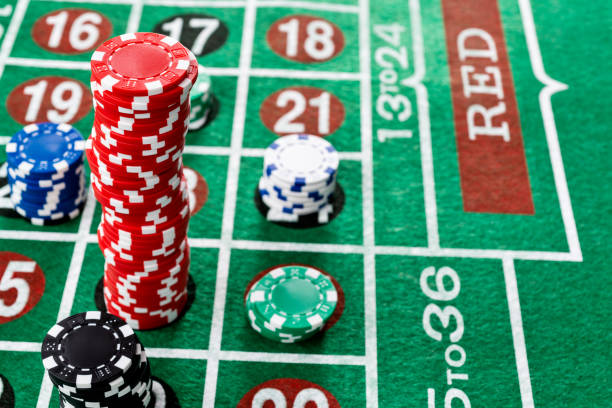
Addiction psychology further explains why individuals continue to chase these high-stakes opportunities despite potential losses. Gamblers may fall into a cycle of “near-misses,” where they come close to winning but ultimately do not. This creates a false sense of hope, often leading to repeated betting behavior as players believe that they are just one bet away from a significant win. Thus, the allure of high-stakes gambling continues to captivate individuals, drawing them deeper into the experience.
Moreover, social factors contribute significantly to the excitement surrounding high-stakes gambling. Many players enjoy the communal experience of betting, especially in events such as football games, where friends gather to watch and wager. The shared anticipation heightens individual excitement and can make the risks feel more acceptable when surrounded by peers. This social aspect, combined with the inherent thrill of potential reward, keeps players returning for more high-stakes experiences.
The Influence of Cognitive Biases
Cognitive biases play a crucial role in how individuals perceive gambling outcomes. One notable example is the “gambler’s fallacy,” which leads players to believe that past events can influence future outcomes. For instance, a gambler may think that a team is “due” for a win after several losses, prompting them to increase their bets. This flawed logic can escalate risk-taking behavior, particularly in high-stakes environments such as Pinup, where odds and statistics may not align with the gambler’s intuition.
Confirmation bias is another cognitive distortion that affects betting behavior. Gamblers often seek information that supports their existing beliefs about a team or outcome, ignoring data that contradicts their views. For example, a player might selectively remember only the games where their favored team performed well, reinforcing their belief in the team’s reliability. This selective memory can lead to overconfidence and poor decision-making in high-stakes situations.
The allure of personalization in high-stakes gambling also contributes to cognitive biases. Gamblers often create narratives around their experiences, attributing wins to their skills and losses to external factors. This personalization makes them more likely to return to gambling, as they believe they have some control over outcomes. Ultimately, these biases can lead to increased risk-taking and a distorted perception of the probability of winning.
Emotions and Impulsivity in Gambling
The interplay of emotions and impulsivity is a significant factor in high-stakes gambling. Emotional states such as stress, excitement, or even anger can influence decision-making, leading individuals to place bets they wouldn’t normally consider. High-stakes situations amplify these emotions, pushing gamblers to act on impulse rather than reason. This impulsivity can result in larger bets or riskier strategies, particularly during pivotal moments in sports events.
Additionally, the thrill of winning can trigger emotional highs that compel players to chase those feelings. Losing, on the other hand, can lead to frustration, causing some to gamble even more in an attempt to recoup losses. This emotional rollercoaster creates a volatile environment where rational thought takes a back seat to emotional reactions. The result is a cycle of behavior that can spiral into gambling addiction, particularly in high-stakes settings.
Furthermore, high-stakes gambling can trigger feelings of identity and self-worth. Players may tie their self-esteem to their gambling successes, believing that winning enhances their status among peers. This psychological connection can lead to a deeper commitment to gambling, as individuals seek validation through their bets. Such emotional dependencies reinforce the gambling cycle and can make it challenging to disengage from high-stakes environments.
The Role of Marketing and Gamification
Marketing strategies in the gambling industry significantly impact players’ psychological triggers. High-stakes platforms like Pinup often use enticing promotions, bonuses, and advertisements to attract bettors. These marketing techniques can create a sense of urgency or scarcity, prompting players to engage quickly and impulsively. By framing high-stakes betting as an exclusive opportunity, operators manipulate psychological triggers that encourage immediate action rather than thoughtful decision-making.
Gamification elements, such as leaderboards, achievement badges, and loyalty rewards, further enhance engagement. These features tap into individuals’ competitive instincts and desire for recognition, which can be particularly potent in high-stakes scenarios. Players are motivated not only by potential winnings but also by the social acknowledgment that comes with climbing the ranks within the betting community. This combination of financial incentive and social validation can create a potent mix that keeps players coming back.
Moreover, the use of technology has transformed the gambling experience into a more immersive one. Live betting features and real-time updates enhance the feeling of involvement, making players feel as though they are part of the action. This immediacy creates a heightened emotional state, further fueling impulsive betting behaviors as players react to dynamic conditions and outcomes. As a result, the psychological triggers associated with high-stakes gambling are amplified, leading to increased participation.

The Pinup Experience: A Psychological Perspective
Pinup presents a unique platform for understanding the psychological dynamics of high-stakes gambling. With its user-friendly interface and competitive odds, the site is designed to cater to both novice and seasoned bettors. This accessibility encourages greater participation, making it easier for individuals to engage in high-stakes wagering. As more players flock to the platform, the psychological triggers associated with risk-taking and reward become increasingly pronounced.
The website effectively combines various psychological elements, from cognitive biases to emotional responses, into a cohesive gambling experience. By offering tailored content and insights into betting markets, Pinup empowers players to make informed decisions while simultaneously engaging their emotional impulses. The balance between information and excitement creates an environment where psychological triggers can flourish, enhancing user engagement and satisfaction.
Ultimately, understanding the psychological triggers behind high-stakes gambling at Pinup allows players to navigate their betting experiences more thoughtfully. By recognizing the influences of risk, cognitive biases, emotions, and marketing strategies, individuals can become more aware of their behaviors and make more rational choices. This self-awareness can lead to a healthier relationship with gambling, ensuring that the thrill remains enjoyable and not detrimental.
Leave a Reply